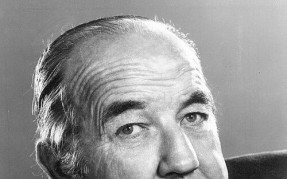
Cecil B. DeMille
Edit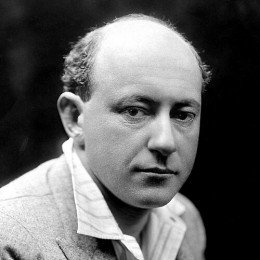 Enlarge Image
Cecil B. DeMille was an American director and producer whose career stretched from silent features to widescreen biblical epics. He is especially associated with The King of Kings, Samson and Delilah and the 1956 version of The Ten Commandments. His films combined elaborate settings, large casts and stories designed for a broad popular audience.
Explore Related Biographies
Selected for this profile

People Mentioned in This Biography

Early life and a theatrical background
Cecil Blount DeMille was born on August 12, 1881, in Ashfield, Massachusetts. According to the DeMille foundation's biography, his father, Henry, was a playwright, while his mother, Beatrice, worked in education and theatrical representation. Cecil studied at the Pennsylvania Military College and the American Academy of Dramatic Arts before beginning his own stage career.
His early experience encompassed acting, writing and collaboration with his older brother, playwright William de Mille. He used DeMille professionally, although other members of the family used different spellings. His theatrical background preceded his move into an industry that was still developing the methods and business structures of feature filmmaking.
From The Squaw Man to Hollywood epics
DeMille joined Jesse L. Lasky, Samuel Goldwyn and attorney Arthur Friend in the company that made The Squaw Man (1914). He co-directed that early Hollywood feature with Oscar Apfel. It began a film career lasting more than four decades, during which his work moved between contemporary stories, comedies, Westerns and historical spectacle.
The UCLA Film & Television Archive emphasizes that breadth, describing a body of work extending beyond the religious epics now most closely associated with his name. Its collection includes films such as Cleopatra, The King of Kings and The Sign of the Cross, alongside other genres. Looking across these films gives a fuller picture of his career than the biblical productions alone.
The Ten Commandments and its cast
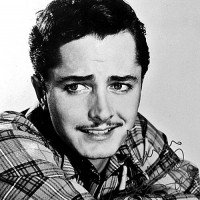
DeMille made a silent The Ten Commandments in 1923 and returned to the title for his final film in 1956. The later production told the story of Moses on a far larger sound-film canvas. It featured Charlton Heston as Moses, Yul Brynner as Rameses and John Derek as Joshua, with Anne Baxter playing Nefertiri.
Paramount's official credits identify DeMille as both director and producer. The studio also notes location filming in Egypt and the Sinai and his own on-screen introduction. The production joined religious narrative to the large-scale visual presentation that had become central to his public reputation.
Awards and lasting recognition
The Greatest Show on Earth (1952) won the Best Picture Academy Award in 1953, when DeMille also received the Irving G. Thalberg Memorial Award. His Golden Globes record lists a directing win for the circus drama and the inaugural Cecil B. DeMille Award in 1952. The lifetime achievement honor bearing his name subsequently became an enduring part of the Globes.
DeMille died on January 21, 1959, aged 77. His work remains accessible through film preservation as well as commercial exhibition. UCLA credits assistance from the Cecil B. DeMille Trust in restoring and preserving several productions, allowing researchers and audiences to study both the familiar epics and less widely remembered parts of his filmography.
Portrait credit: Albert Witzel, publicity portrait of Cecil B. DeMille, circa 1920. Public domain in the United States; Commons marks the publicity photograph as published without copyright notice. Existing Commons rotation, reframing, cleanup and grayscale conversion; converted to RGB JPEG for upload. Original file and reuse evidence; public-domain notice.