Andy Warhol
Edit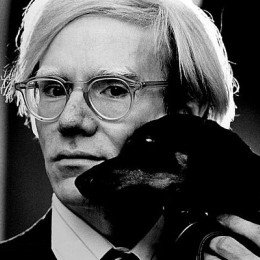 Enlarge Image
Andy Warhol was an American artist and filmmaker associated with Pop art. His paintings, prints, films and other projects examined the images circulating through consumer culture and celebrity. Subjects such as soup cans and movie-star photographs became central to a career that connected commercial design with fine art.
Explore Related Biographies
Selected for this profile


People Mentioned in This Biography
Pittsburgh and commercial art
Warhol was born Andrew Warhola on August 6, 1928, in Pittsburgh, Pennsylvania. The Andy Warhol Museum biography records his graduation from Carnegie Institute of Technology in 1949 with a degree in pictorial design. He then moved to New York City to work as a commercial artist.
During the 1950s, his illustration clients included shoe companies, magazines and other businesses. Working from existing photographs and source images became part of his practice, providing a connection between his commercial assignments and the art he later produced for galleries.
Campbell's Soup Cans and celebrity portraits
Campbell's Soup Cans, first exhibited in 1962, consists of thirty-two canvases corresponding to varieties then sold by the company. The Museum of Modern Art explains that the canvases were displayed on shelves, echoing goods in a grocery store. Although they resemble printed advertising, the paintings were made by hand, with stamped details around the cans.
MoMA's discussion connects the repetition and uniformity of the paintings with the visual language of advertising. The cans appear as individual subjects and as a series presented for an art audience.
Warhol also worked with images of entertainers. In Gold Marilyn Monroe (1962), he used silkscreen ink and acrylic on canvas. MoMA identifies the source image for his Monroe works as a publicity photograph from the film Niagara. Repeating and altering such photographs became an important part of his treatment of celebrity.
Film and music
Warhol began making films in 1963. His projects included Sleep, Empire, The Chelsea Girls and the short filmed portraits known as Screen Tests.
His later film projects included Andy Warhol's Bad (1977). The National Galleries of Scotland collection record identifies Jed Johnson as director and Warhol as executive producer.
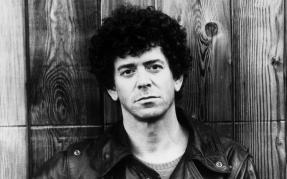
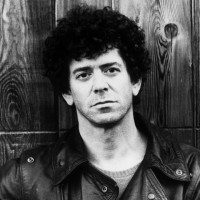
He also presented the multimedia performance project The Exploding Plastic Inevitable, featuring the Velvet Underground. The band included musician and songwriter Lou Reed, one of the members identified in its Rock & Roll Hall of Fame record. This collaboration connected Warhol's visual and film work with experimental rock performance.
Death and continuing collections
Warhol died in New York City on February 22, 1987, aged 58. The museum devoted to his work opened in Pittsburgh in 1994. His surviving paintings, films, photographs and other materials preserve the breadth of a practice that crossed several media.
Institutional collections also allow those different activities to be studied together. MoMA's artist record, for example, brings together paintings, works on paper, publications and film-related material, demonstrating how much his career extended beyond any single famous image.
Portrait credit: Jack Mitchell. Photograph: 1973. Original photograph and reuse information. CC BY-SA 4.0. Existing border crop by Beao (2025), resized Commons preview and automatic site thumbnail crop. Photograph and derived crop available under CC BY-SA 4.0.