David Bowie
Edit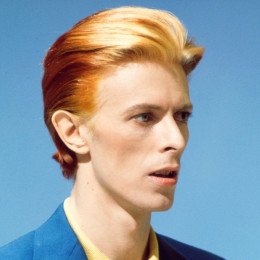 Enlarge Image
Later Years and Collaborations
Bowie returned to solo recording in 1993 with Black Tie White Noise, reuniting with longtime collaborator and guitarist Mick Ronson. In the mid-1990s, he explored electronic and techno influences with the album Earthling (1997). He continued to record throughout the late '90s and early 2000s, releasing Hours… (1999) and Heathen (2002).
Quick Facts
- Birth Date
- 8 Jan, 1947
- Age
- 73 yrs
- Citizenship
- United Kingdom
Show all facts
- Birth Place
- Brixton
- Education
- Ravensbourne
- Gender
- Male
- Description
- British singer, musician, and actor
- Twitter Id
- DavidBowieReal
- Spouse
- Iman[1992-2016]
Angela Bowie[1970-1980] - Net Worth 2021
- 230 million
Explore Related Biographies
Selected for this profile

People Mentioned in This Biography
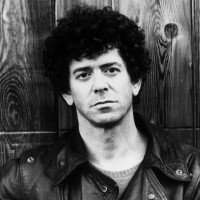
In addition to his solo work, Bowie was a significant figure behind the scenes. He produced albums for Lou Reed, Iggy Pop, The Stooges, and Mott the Hoople, famously penning their hit “All the Young Dudes." His contributions earned him a Lifetime Achievement Grammy Award in 2006.
Hiatus and Final Works
From 2005 to 2012, Bowie remained largely out of the public eye. He surprised fans in 2013 with the release of The Next Day, his first studio album in a decade. The album debuted at No. 2 on the Billboard 200—his highest U.S. charting album at the time—and marked a triumphant return for the artist.
Bowie’s final studio album, Blackstar, was released on January 8, 2016—his 69th birthday—just two days before his death. The album was widely interpreted as a farewell and received extensive critical acclaim for its experimental nature and emotional depth.
Legacy
David Bowie's impact on music, fashion, and popular culture remains profound. Known for his constant reinvention, theatricality, and fearless creativity, he challenged artistic norms and redefined what it means to be a pop icon. From glam rock to electronic music, from film to the stage, Bowie’s contributions across media have left an indelible mark on generations of artists and fans alike.