Ozzy Osbourne
Edit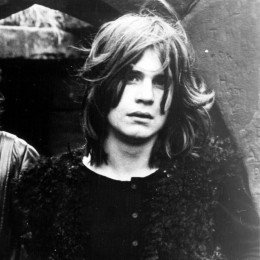 Enlarge Image
Ozzy Osbourne was an English singer and television personality who helped establish heavy metal with Black Sabbath and later built a long solo career. Known as the Prince of Darkness, he combined a distinctive singing voice with theatrical performances and an unusually broad public presence. His work ranged from “Paranoid” and “Crazy Train” to the MTV series The Osbournes.
Explore Related Biographies
Selected for this profile


People Mentioned in This Biography


Early Life in Birmingham
John Michael Osbourne was born on December 3, 1948, in Birmingham, England. The Recording Academy’s career retrospective describes his working-class family background and the school nickname that became his professional name. Music eventually provided the route from his early life in the city to an international performing career.
Black Sabbath and the Beginning of Heavy Metal
Osbourne joined guitarist Tony Iommi, bassist Geezer Butler and drummer Bill Ward in the group that became Black Sabbath. Their self-titled debut appeared in 1970, followed later that year by Paranoid. The band’s official history traces the heavy guitar sound, dark atmosphere and songwriting that made those records influential.
Albums including Master of Reality, Vol. 4 and Sabbath Bloody Sabbath expanded that early catalog. His first period with the band ended in 1979. Later reunions brought him back to Sabbath, including the recording of 13 in 2013. His career therefore developed along two connected paths: the group that made him famous and the solo work that established a separate identity.
Blizzard of Ozz, Crazy Train and No More Tears
His solo debut, Blizzard of Ozz, was released in the United Kingdom in 1980. It included “Crazy Train” and “Mr. Crowley,” featuring guitarist Randy Rhoads. The official album record documents the release, while the reissue history connects it with the 1981 follow-up, Diary of a Madman, and his collaboration with Rhoads.
Later guitar partnerships also shaped his recordings. Zakk Wylde played on No More Tears, released in 1991. Its title track and “Mama, I’m Coming Home” became lasting parts of Osbourne’s solo repertoire. His official anniversary account also identifies contributions from Motörhead’s Lemmy Kilmister and the album’s Grammy-winning recording “I Don’t Want to Change the World.”
Ozzfest and The Osbournes
With his wife and manager Sharon Osbourne, he developed Ozzfest into a major platform for heavy music. The Rock & Roll Hall of Fame’s profile places the festival alongside his recordings and stage work when describing his reach beyond a conventional solo career.
In 2002, MTV’s The Osbournes introduced his family life with Sharon and their children Jack and Kelly to television audiences. The series made his offstage personality familiar to viewers who might not have followed heavy metal. The Television Academy’s official record lists its 2002 Emmy for Outstanding Non-Fiction Program (Reality).
Later Recordings and Recognition
Osbourne continued recording late in his life. Patient Number 9, released in 2022, won Best Rock Album at the 2023 Grammys. He also won Best Metal Performance that year for “Degradation Rules,” featuring Iommi. Those results are documented in the Recording Academy’s awards database.
Black Sabbath entered the Rock & Roll Hall of Fame in 2006, and Osbourne was inducted separately as a solo performer in 2024. The second induction recognized the importance of his work outside the band as well as the longevity of his influence.
Final Performance, Death and Memoir
He returned to Birmingham for the Back to the Beginning concert at Villa Park on July 5, 2025. It became his final performance. His family announced his death on July 22, 2025; he was 76. An Associated Press report citing his death certificate identified a heart attack alongside coronary artery disease and Parkinson’s disease.
His later life was documented in Ozzy: No Escape from Now, announced for an October 2025 premiere, and the final memoir Last Rites. The official documentary announcement and memoir announcement describe his determination to return to the stage, closing a career that crossed music, live entertainment and television.
Portrait Credit
Portrait: Warner Bros. Records publicity photograph published in Billboard, July 18, 1970, page 7; individual photographer uncredited. Wikimedia Commons file and source information, cropped by RTSthestardust from the original Black Sabbath image. Public domain in the United States: published before 1978 without a copyright notice. Existing crop used; resized for display and automatically cropped for the site thumbnail.