Menachem Begin
Edit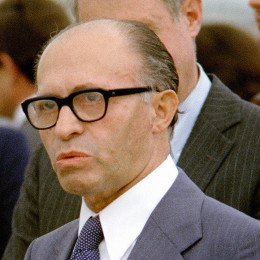 Enlarge Image
Menachem Begin was Israel's sixth prime minister, serving from 1977 to 1983. A longtime leader of the political right, he shared the 1978 Nobel Peace Prize with Egyptian president Anwar Sadat after the Camp David negotiations. His career also encompassed leadership of the Irgun underground organization and the controversial 1982 invasion of Lebanon.
Explore Related Biographies
Selected for this profile

People Mentioned in This Biography
Early life, education and wartime imprisonment
Begin was born on August 16, 1913, in Brest-Litovsk, now Brest in Belarus. He studied law at the University of Warsaw, graduating in 1935, and became a leader in Betar, the Revisionist Zionist youth movement. His Nobel biographical record traces his political organizing in Poland and his imprisonment by Soviet authorities during the Second World War.
Released under the Polish-Soviet agreement, he joined the Polish army and reached the Middle East. He subsequently assumed command of Irgun, also known as Etzel, directing its campaign against British rule in Mandatory Palestine.
Irgun and entry into parliamentary politics
Irgun's violence remains a central part of Begin's historical record. During his leadership, the organization bombed Jerusalem's King David Hotel in July 1946. The National Army Museum's collection account explains that the building housed British administrative and military offices and that the bombing killed more than 90 people, including many civilians.
After Israel's establishment in 1948, Begin founded Herut and entered the Knesset. He spent much of the following decades in opposition, then served as a minister without portfolio in the national unity government from 1967 to 1970. The Menachem Begin Heritage Center's chronology records the formation of the Likud alliance in 1973 and its electoral breakthrough in May 1977.
That victory brought Begin to the premiership and ended the long period of Labor-led government. He formed another government after the 1981 election. His political ascent made the former opposition leader responsible for decisions on diplomacy, security and the occupied territories.
Camp David and the peace treaty with Egypt
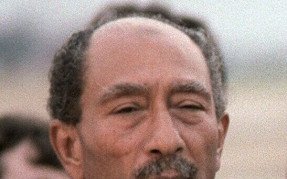
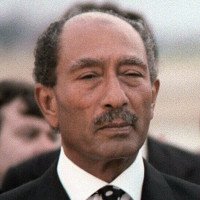
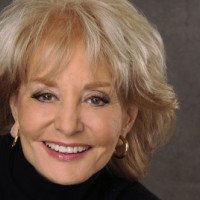
Sadat's November 1977 visit to Jerusalem opened direct talks with Begin. The two also appeared in a joint interview with Barbara Walters. The archived ABC discussion shows them acknowledging personal goodwill while disagreeing over land and the future of the Palestinians.
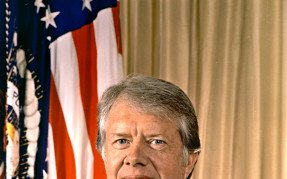
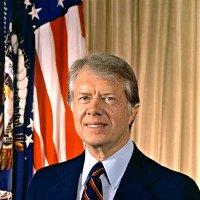
In September 1978, Begin and Sadat joined U.S. president Jimmy Carter at Camp David. They reached two framework agreements after difficult negotiations. The State Department's history of the summit describes the compromises over Sinai and the continuing disputes over settlements and Palestinian autonomy.
Begin and Sadat received the 1978 Nobel Peace Prize, and signed the Egypt-Israel treaty on March 26, 1979. The bilateral framework at the Carter Library documents the intended exchange of Israeli withdrawal from Sinai for peace and normal relations. The agreement was a major bilateral achievement, while the wider Palestinian question remained unresolved.
Lebanon and the later premiership
In June 1982, Israel invaded Lebanon during Begin's second term. The campaign advanced to Beirut and led to the evacuation of Palestine Liberation Organization forces. The State Department's account of the Lebanon crisis describes the fighting, American efforts to negotiate a ceasefire and withdrawal, and the danger of a wider regional war.
In September, after the assassination of Lebanese president-elect Bashir Gemayel, Israeli forces entered West Beirut. Lebanese Christian militiamen subsequently massacred Palestinian civilians in the Sabra and Shatila camps, which Israeli forces had allowed them to enter. These events produced international outrage and became a defining controversy of the war.
Resignation, books and death
Begin announced his resignation in August 1983, and Yitzhak Shamir succeeded him later that year. The Heritage Center's chronology also records the death of his wife Aliza in November 1982 and his own death on March 9, 1992. He spent his later years largely outside public political life.
His writings included The Revolt, about the underground struggle, and White Nights, about his imprisonment in the Soviet Union. The Nobel bibliography lists both works, which present his own perspective on experiences that preceded his parliamentary and diplomatic career.
Portrait: U.S. Air Force official photograph, 1978, Andrews Air Force Base; individual photographer unidentified. Original file and rights record. Public domain in the United States: U.S. federal government work. Existing Commons crop; further website resizing and thumbnail cropping.