Sammy Davis Jr.
Edit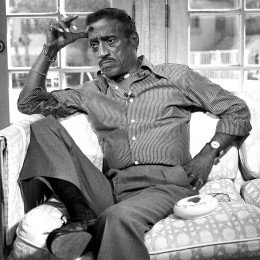 Enlarge Image
Sammy Davis Jr. was an American singer, dancer, actor, comedian and impressionist whose career began in vaudeville and extended to Broadway, Las Vegas, film, television and hit recordings. A member of the Rat Pack, he became known for moving easily between several kinds of performance. His best-known recordings included “What Kind of Fool Am I?” and the 1972 number-one hit “The Candy Man.”
Explore Related Biographies
Selected for this profile
People Mentioned in This Biography
Early life and the Will Mastin Trio
Samuel George Davis Jr. was born on December 8, 1925, in New York City. He entered entertainment as a small child, performing with his father and Will Mastin in the Will Mastin Trio. His official estate biography describes the traveling act as the foundation for a career that joined singing and dancing with comedy, impressions and instrumental performance.
After military service, Davis returned to performing and developed a solo nightclub career. The Hollywood Walk of Fame’s account identifies a 1951 appearance at Ciro’s as an important breakthrough. He lost his left eye in a car accident in 1954 and later converted to Judaism. His public identity and career unfolded amid the racial and religious prejudice of the period.
Broadway, film and the Rat Pack
Davis starred in Mr. Wonderful on Broadway in 1956 and returned in Golden Boy in 1964. The Broadway League’s production record documents both shows and his 1965 Tony nomination for Golden Boy. It also records his appearance as Littlechap in the 1978 revival of Stop the World – I Want to Get Off.
He was associated with Frank Sinatra, Dean Martin, Joey Bishop and Peter Lawford in the Rat Pack. Their stage appearances and films, including Ocean’s Eleven (1960), became part of the popular image of Las Vegas entertainment. Davis also worked independently in television, film and recording, with a repertoire that reached beyond the group’s public persona.
The Candy Man and other recordings
“The Candy Man,” written by Leslie Bricusse and Anthony Newley for Willy Wonka and the Chocolate Factory, became Davis’s biggest pop hit. His recording featured the Mike Curb Congregation. Curb’s published discography credits Mike Curb and Don Costa as its producers and identifies the songwriters separately from the recording artists.
The Recording Academy lists Davis’s competitive Grammy nominations for “What Kind of Fool Am I?” and “The Candy Man.” His singing combined the phrasing of a nightclub entertainer with material from musicals, standards and contemporary pop. The recordings formed one part of a working life that also depended on live performance and television appearances.
Civil rights and public life
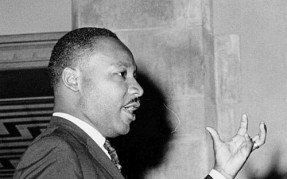
Davis supported civil rights fundraising and marched with Martin Luther King Jr., as his estate’s account documents. His prominence placed him within both the entertainment industry and the wider struggle against segregation. His political choices could also bring controversy: a Library of Congress exhibition describes criticism following his public embrace of Richard Nixon at a 1972 campaign event.
Books, death and legacy
Davis’s 1965 autobiography, Yes I Can, became an important account of his life and experiences. The Library of Congress’s Burt Boyar collection preserves drafts and interviews associated with that book and later biographical work. These materials complement the recordings and filmed performances through which audiences continue to encounter him.
Davis died on May 16, 1990, in Beverly Hills, California, aged 64. He had received a Kennedy Center Honor in 1987 and was posthumously given the Recording Academy’s Lifetime Achievement Award in 2001. His legacy encompasses popular recordings, Broadway roles and a style of performance built on versatility.
Portrait: Allan Warren, Sammy Davis Jr. at his Beverly Hills home, 1986. CC BY-SA 3.0. Resized Commons preview encoded as RGB JPEG; no visual alteration. Automatic site thumbnail crop and other adaptations of the photograph are available under the same license. Original Commons file page; CC BY-SA 3.0 license.